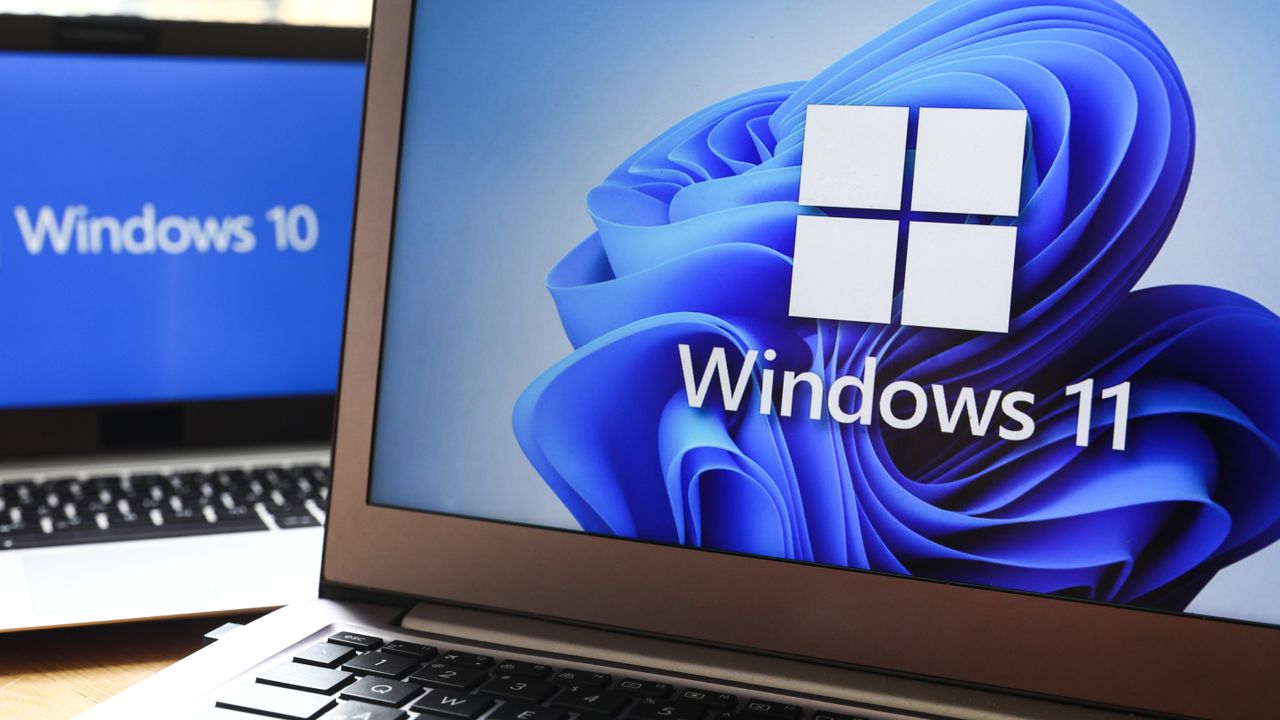
Microsoft has announced plans to optimize Windows 11 for systems with 8GB of RAM and above, as part of a broader set of operating system improvements it says will roll out around March 2026. The announcement, detailed in a company blog post, also references a faster out-of-the-box setup experience, easier parental controls, and improved voice interactions.
The move comes as an ongoing RAM shortage has pushed PC manufacturers, including Apple, back toward 8GB configurations to hit certain price points. While Windows 11's official minimum requirement is 4GB of RAM, most builders recommend at least 16GB for smooth performance, and Microsoft has previously suggested 32GB for gamers. Experts have suggested the entry-level PC as traditionally understood could disappear by 2028, with the memory shortage potentially persisting until then.
Pavan Davuluri, President of Windows and Devices, confirmed the company's commitment on Microsoft's website, stating the goal is 'reducing Windows memory footprint to deliver a fast and responsive Windows experience across the PCs customers use every day.' Microsoft also said it has been introducing memory efficiency improvements, including a more efficient memory allocator, continued tuning of WinUI 3 so apps built on it use less memory by design, and efficiency work on Chromium and WebView2 components within the OS.
The stakes are illustrated by real-world examples: one report noted that on a laptop with 32GB of memory, RAM usage rose to 40% with just a few Chrome tabs open. Another cited a Dell XPS 13 with 8GB of RAM reportedly using 70 percent of its memory without any windows or programs open, underscoring the scale of the problem Microsoft needs to address.
Beyond memory optimization, Microsoft's update also covered improvements already made to Windows 11, including a better Windows Search experience, expanded Taskbar and Start customizations, and a more responsive and reliable File Explorer. Many of these features remain in preview and are currently accessible mainly through the Windows Insider Program, with wider availability expected in the coming weeks to months.
The push comes amid competitive pressure on Windows. Reports note that after Windows 10 support ended, MacBook sales saw an uptick as some users migrated to macOS, and that SteamOS is drawing some gamers away from Windows, with Valve reportedly working on a wider release of that OS. Sources suggest the memory shortage combined with this competition is a key reason Microsoft is prioritizing these optimizations, though it remains to be seen how quickly the changes arrive and whether they introduce new issues.