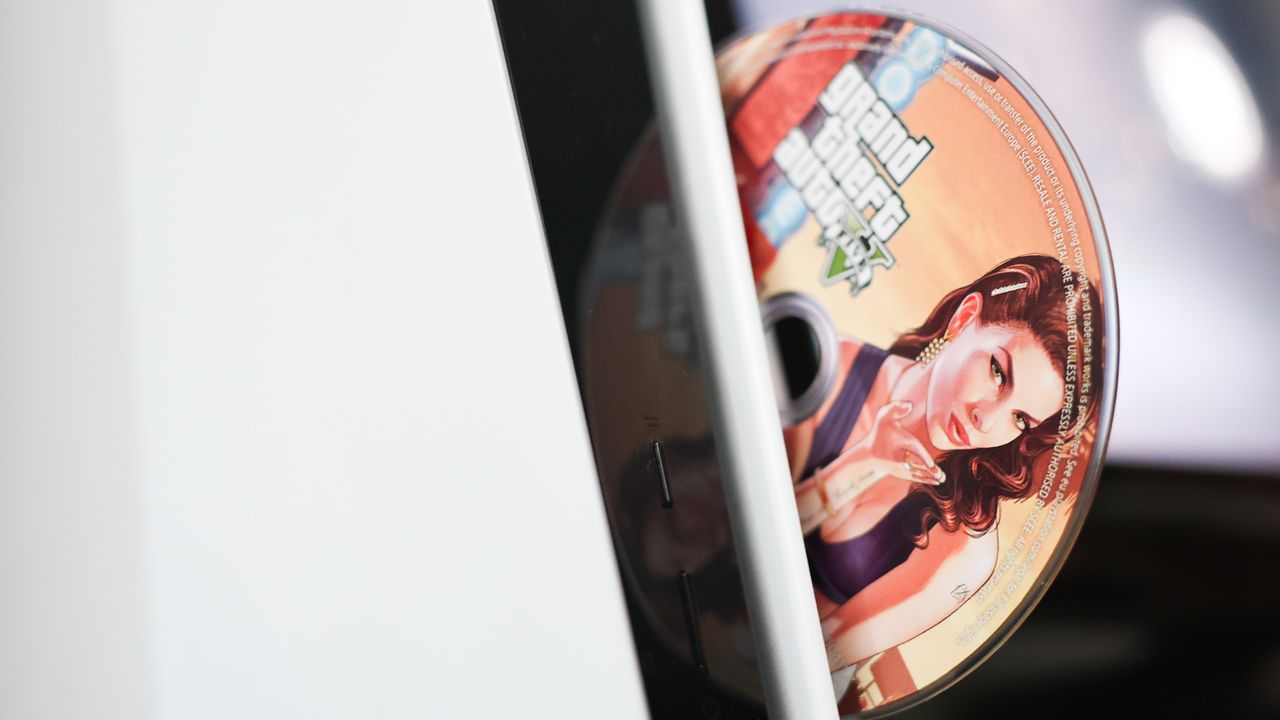
Sony used its FY26 Q1 earnings call to reaffirm plans to end production of physical PlayStation game discs beginning in January 2028, giving fans and retailers about a year and a half to prepare. CFO Lin Tao said the decision stems largely from the broader digitalization of content across all forms of entertainment, not just gaming, and that the company "cautiously considered" the move before deciding to "cautiously move this forward." Tao acknowledged that the announcement has generated strong reactions, noting that people have emotional attachments to games tied to fond memories, and said Sony wants to consider that as it explores how to engage gamers in a digital-first future.
Sony executives said the shift is not expected to hurt the company financially. Corporate Communications executive Ishii stated that Sony currently sees no business impact and does not expect discontinuing discs to cause harm, since a large portion of content sales are already digital. Financial results support this: in the April-to-June period, Sony's digital game revenue reached $1.2 billion, more than nine times the $128 million generated from physical game sales. The company also reported 66.1 million games sold across PS5 and PS4, and a PSN monthly active user base of 125 million, up 2 million year-over-year, though PS5 hardware shipments of 1.6 million units for the quarter were down 0.9 million from the same period a year earlier.
On the retail side, Tao said Sony has communicated early to allow "thorough dialogues" with regional partners, and noted that in North America, physical packaging already often contains only a download code rather than a disc. She added that Sony does not view discs as a meaningful way to differentiate PlayStation from PC gaming.
The backlash has centered less on the disc format itself and more on concerns about game ownership, since digital purchases function as licenses rather than owned copies. Data cited from Circana analyst Mat Piscatella showed that in 2008, more than 100 PlayStation games sold over 100,000 copies, compared with only 7 games reaching that mark this year. Physical discs also allow resale and cheaper secondhand purchases; for example, a physical copy of The Last of Us Part I can be found for as little as $25 versus a digital price around $69.99, with digital discounts rarely dropping below $29.99 even during major sales events. PlayStation also does not support game-sharing between users, unlike some other platforms.
The end of physical media coincides with sharply rising storage and memory prices tied to AI-driven supply constraints. An analysis of all 37 first-party PS5 games released since 2020 found they total roughly 2.99 TB, meaning a 4TB drive would be needed to store them alongside the system's operating software. A PlayStation-recommended 4TB WD Black NVMe SSD currently costs $789.99, up about $400 from a year earlier, while a refurbished 4TB Samsung 990 Pro was found for $419.99. Manufacturer SK Hynix has warned that memory prices are expected to worsen further in 2027, with little indication of improvement by 2028.
Gamers have organized visible opposition to the decision, including a boycott campaign called #PSBlackout urging PlayStation users to power off consoles for a week from August 23 to August 30, which gained over 1.8 million views and 7,500 shares online, and a Change.org petition that has surpassed 350,000 signatures asking Sony to reverse course. Despite this pushback, reporting indicates Sony has already begun repurposing disc-manufacturing factories, suggesting the shift to all-digital distribution is unlikely to be reversed.