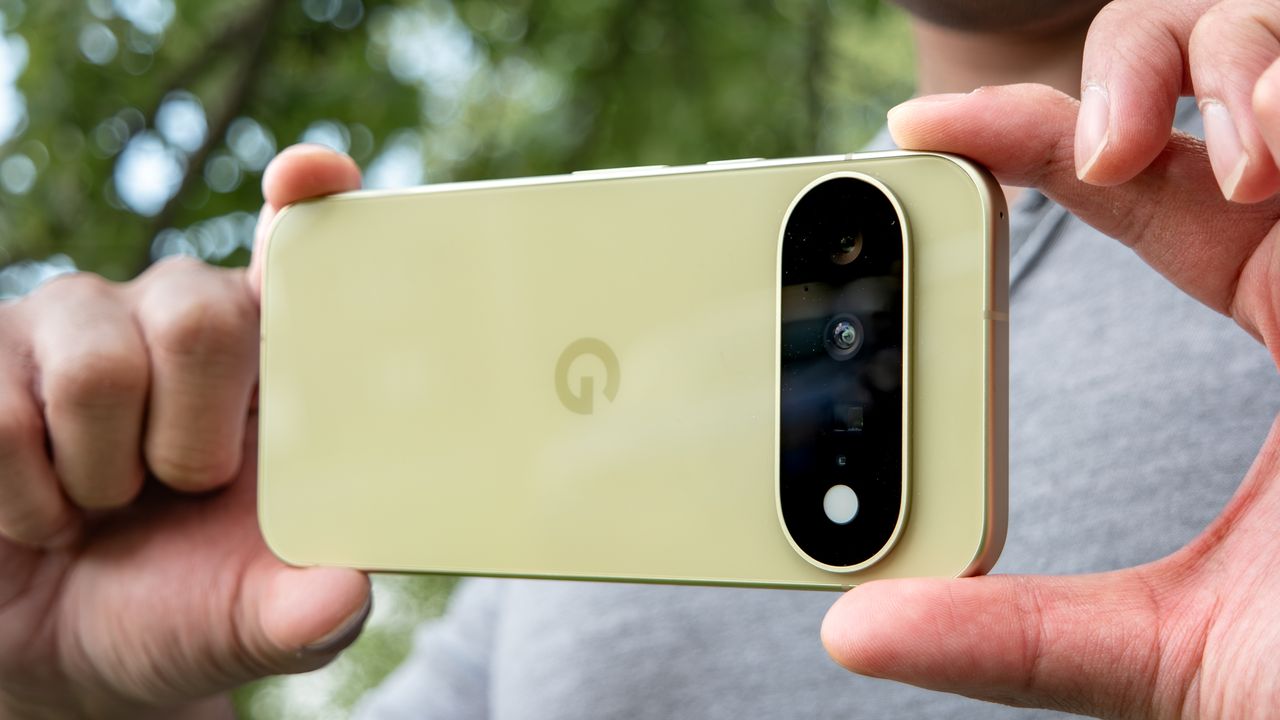
Google's Pixel 11 has drawn mixed reactions in hands-on testing from Tom's Guide, with the overall phone described as underwhelming but two of its headline AI features — Magic Capture and Rambler dictation — offering a study in contrasts between what works well and what still needs refinement.
Magic Capture, a new camera mode, records a video clip and then uses AI to analyze each frame and pull out the best stills, functioning as something close to a dual-capture mode. It is prominently placed in the camera app next to the Photo and Video toggles, and using it is simple: tap the shutter, record, and the AI automatically selects photos to add to the camera reel. Testing found it especially useful for photographing unpredictable moving subjects, such as energetic dogs, and it beats manually scrubbing through video frame-by-frame or deleting excess burst-mode shots.
The feature does have limits. Recording is capped at two minutes per clip, with an on-screen warning as that limit approaches, and only five photos can be pulled from each video regardless of its length. Google has not explained the reasoning behind these caps, though it's speculated they prevent the AI analysis from running indefinitely or consuming excessive server space. Magic Capture also requires an internet connection to generate all five photos — offline use only yields a single automatically-selected photo, with the rest processing later once connected to Wi-Fi or cellular data. Because photos are extracted from moving video, resulting images can show blurring or motion artifacts, and resolution and file size vary between shots.
Separately, Rambler, Google's new AI-powered dictation feature built on Gemini AI, was tested for writing and editing a full article by voice. Announced at Google I/O in May, Rambler is designed to let users speak naturally without worrying about filler words like "ums" and "ahs," which the AI filters out, and it supports multiple languages that users can switch between. It launched first on Pixel 11 and is also coming to Gboard on Android, Gemini on macOS, and Chrome Browser.
In practice, Rambler handled transcription well when thoughts were kept concise, automatically applying formatting and punctuation in many cases. However, it struggled with accent recognition, misinterpreting some words, and lacked a preview of what it had transcribed, making it harder to correct mistakes mid-sentence. More seriously, attempting to use Rambler's editing commands on a large block of text caused multiple paragraphs to be erased unexpectedly; the changes were recoverable only because Google Docs allowed an undo, though the issue went unnoticed for a period and risked losing roughly an hour of work.
Overall, Rambler was judged a significant improvement over previous free dictation tools bundled with smartphones, including those on iOS 27 and other Android Gboard implementations, but better suited to short text than long-form writing, with editing commands and the missing preview feature flagged as areas needing improvement. Magic Capture, meanwhile, was described as a genuinely handy feature despite its restrictions, standing out as a highlight in an otherwise unremarkable phone.