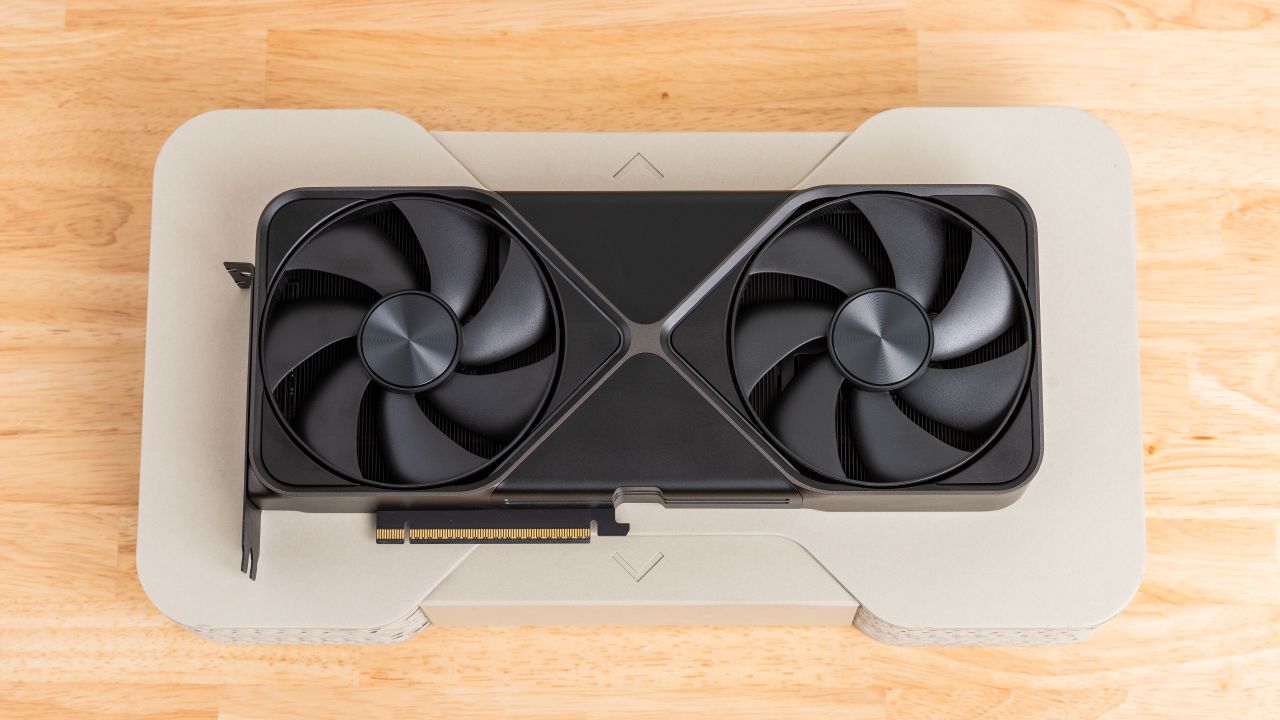
A Redditor known as IndependentOk1031 says an order for an Asus ROG Astral RTX 5090 BTF graphics card, placed through Nvidia's official marketplace, was cancelled and refunded rather than fulfilled at the price originally listed. The order had reportedly been placed on Friday, July 31, at $4,429 before tax, or about $4,607 after taxes.
According to the buyer's account, Nvidia customer support said Asus was unable to fulfill the order at the previous price because a price change update had been submitted to Nvidia "a little late." Nvidia said it attempted to get Asus to honor the original order, but Asus refused, calling itself unable to fulfill it at the previous rate. The buyer was left to either pay the new price or forgo the purchase.
Sources differ slightly on the new price: Tom's Hardware reports the GPU is now listed on Nvidia's site at $4,929.99 before tax, an increase of about $500, or roughly 11.28%. Wccftech reports Asus raised the price to $4,982, which comes to around $5,090 after taxes. Both accounts agree the increase amounts to roughly $500 more than the buyer originally agreed to pay.
The Redditor is still waiting to hear from an Asus supervisor about the situation but said the odds of a resolution are slim. Wccftech characterizes Asus's refusal to honor the original order as malpractice, arguing that once a customer places an order, the vendor should be obligated to fulfill it.
The incident follows broader reports of Nvidia and its partners raising GPU prices at major retailers, including Best Buy and Amazon, even as the RTX 5090 Founders Edition continues to carry a listed MSRP of $1,999 on Nvidia's website. Third-party pricing data cited by Tom's Hardware shows the Asus ROG Astral card has sold for as low as $3,289.09 on Amazon in the past, with a current listing at $4,849.99 from a seller. Wccftech also notes a similar case involving Gigabyte, which reportedly raised GPU prices by up to 40%, leading a Japanese retailer to cancel some existing orders.
Both outlets tie the price increases to rising memory costs and AI-driven demand that have pushed manufacturing costs and retail prices higher across current and last-generation Nvidia and AMD graphics cards. Tom's Hardware notes there is no indication the market will cool soon, raising the possibility of further price hikes for buyers in the months ahead.