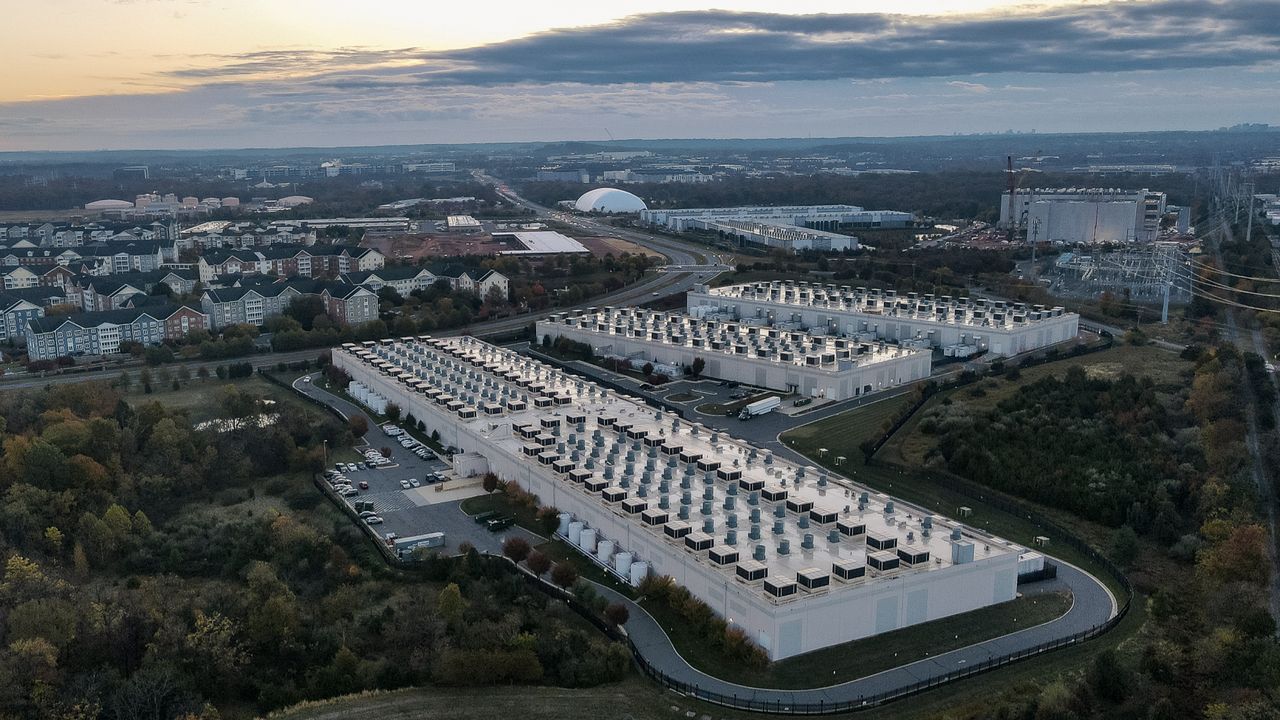
In Gilroy, California, an Amazon data center began construction last month on a 56-acre plot of farmland between a Walmart Supercenter and the Gilroy Premium Outlets, catching many residents off guard. According to the Wall Street Journal, as reported by Tom's Hardware, the project was not secret — Amazon began its application in 2020 and went through a public notice and comment process required by zoning rules set 45 years ago. However, by the time concerns about data centers became a national topic, the public comment window had already closed. Resident Rosa Rodriguez, who wanted to raise concerns about the project's potential impact on a drought-affected region, was told the comment period had lapsed in 2024.
Gilroy Mayor Greg Bozzo defended the process, noting that other industrial projects of similar scale, including a food-distribution center, were previously approved without public resistance. He said residents' newfound scrutiny reflects growing awareness of data centers generally, adding that the city has "an opportunity to change the way that we do business in Gilroy" and is "adapting to the times." Amazon said it has increased community engagement, including direct meetings with residents and an open house for questions and comments. The company also said it is addressing water concerns by building a wastewater recovery system and a pipeline to supply the plant's water needs. Bozzo also cited benefits to the city, including increased tax revenue, construction jobs, a million-dollar donation for a new fire truck, nonprofit grants, and sponsorship of the Gilroy Garlic Festival. Despite these benefits, the central issue for residents remains that a project with major community impact moved forward largely without their knowledge.
In Salem, Oregon, opposition to a proposed data center took a more visible and confrontational turn. On July 27, the Salem City Council held a public meeting on Verrus's proposed $5.1 billion Oakline at Mill Creek data center. Outside the venue, a TikTok user spotted a guillotine being towed by a bike, symbolizing community discontent. The meeting itself lasted more than six hours, according to NewsData, as reported by Tom's Hardware, with numerous residents voicing opposition. Developer representatives were present initially but left partway through after being confronted by protesters during a break. Verrus spokesperson JP Newmann said representatives were cornered by opposition members who shouted insulting remarks, making it feel unsafe to stay, and that local law enforcement helped de-escalate the situation and escorted the representatives away safely.
One week after the meeting, Salem announced a one-year moratorium on new data center developments while it reviews zoning laws, joining other jurisdictions such as Seattle and the State of New York that have enacted similar pauses. However, because Verrus filed its application three days before the moratorium was announced, the project is not expected to be affected by the halt and will continue through the city's permitting process, which includes technical studies, permit conditions, and enforceable agreements. Separately, Oregon Governor Tina Kotek announced the state would terminate a deal to sell a 32-acre plot of land that was part of three parcels intended for the project, leaving Verrus with about 43 acres and requiring it to revise its plans. This echoes an earlier case in Nashville, where the city used eminent domain to block a developer from using land near the Nashville Zoo for a data center.
Oregon has also implemented a law requiring large power consumers, including data centers, to cover most of the costs of grid upgrades needed to meet their energy demands. This allowed Portland General Electric, the state's largest utility, to raise rates by 30% for users consuming more than 20 megawatts, while cutting residential electricity costs by 1.3%. Despite this ratepayer protection, opposition to data center projects remains strong in Salem and other communities.
Together, the two cases illustrate different forms of community pushback against the rapid expansion of AI-related data center infrastructure: in Gilroy, frustration centers on a legal but seemingly opaque approval process that left residents feeling shut out; in Salem, opposition has become public and confrontational, prompting a moratorium that nonetheless may not stop the specific project that sparked it.