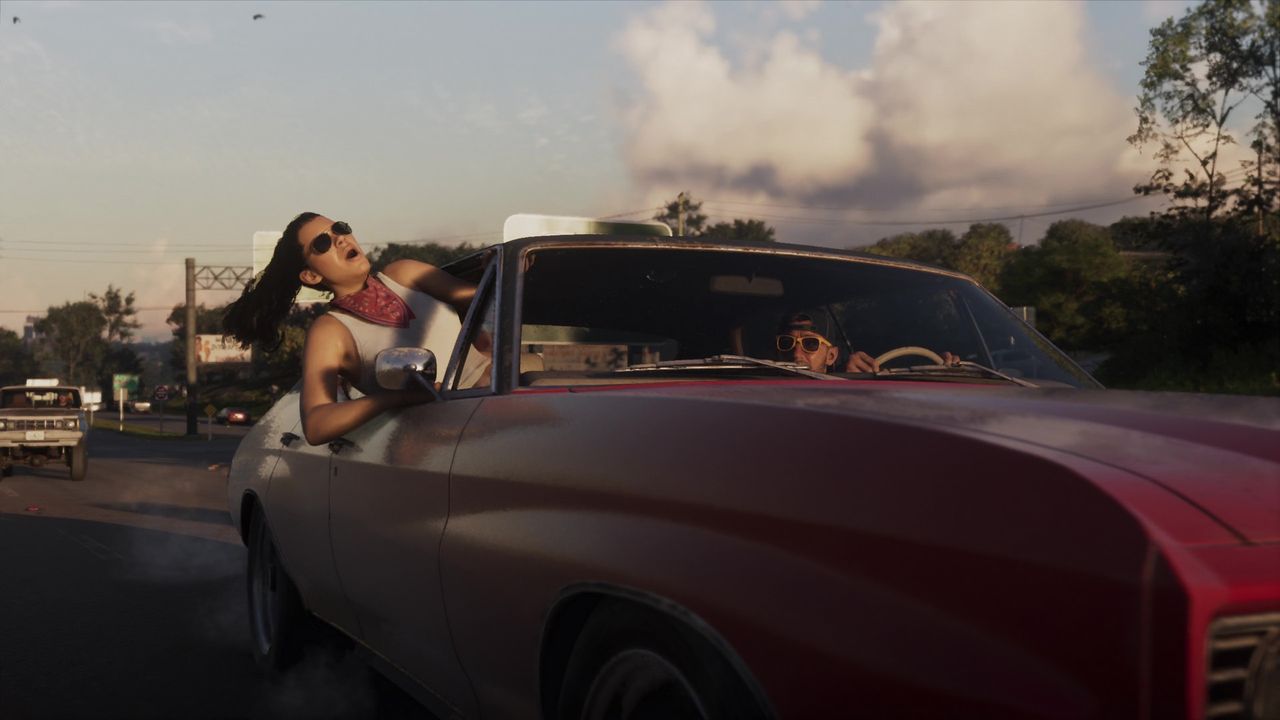
On September 10, the Miami Beach City Commission voted 4-3 to move forward with a marketing arrangement involving Rockstar Games and Grand Theft Auto 6, whose setting, Leonida, is based on the city. According to Kotaku, the vote specifically empowered the city manager to negotiate an agreement on the city's behalf and try to secure as much money as possible, rather than approving a finalized deal outright.
Details disclosed during the meeting indicated Rockstar's expected investment at around $3 million, a figure raised by commissioner Laura Dominguez, though the city intended to negotiate for more. Commissioner Tanya Katzoff Bhatt later said the benefits could come closer to $4 million, enough to cover the currently unfunded Flamingo football field renovation project. The campaign, as described, would run discreetly from October 15 through the end of the year (2026), using Boucher Brothers beach umbrellas and chairs marked with the Roman numeral VI or the Vice City symbol rather than the words "Grand Theft Auto." The ads would not appear on city property such as landmarks or lifeguard stands, and would not be part of the Art Basel Miami art fair in early December. Separately, freelance journalist Francisco Alvarado reported that Miami Heat affiliate Basketball Properties, Miami-Dade County, and Rockstar are close to a related deal for a large GTA 6 sign atop the Kaseya Center.
The proposal drew sharp disagreement among commissioners. David Suarez opposed the deal, showing footage from GTA 5 and the GTA 6 extended gameplay preview, including a scene of a police car chase and shooting, and argued that promoting the game undermined the city's efforts to change its image and enforce tougher Spring Break restrictions. He said he did not want the city's brand associated with the game, regardless of the money involved.
Commissioner Monica Matteo-Salinas strongly supported the deal, describing herself as a longtime fan of the GTA series who has played it since 1997. She argued the game is fictional and that embracing it would not damage the city's brand, calling the move "a win for gamers and gaming nerds."
Outside the commission, Miami-Dade Sheriff Rosie Cordero-Stutz criticized the collaboration, stating that GTA is built around criminal activity, including murder, robbery, drug trafficking, carjacking, and violence against law enforcement, and questioning the message sent when local government promotes such content.
Mayor Steven Meiner noted that the process was unusual, since agreements and requests for proposals are typically brought to the commission for final review before approval, which did not happen in this case. There were also questions raised about whether a lobbyist helped fast-track the proposal through the commission. Despite the division, Kotaku reported the outcome was largely a foregone conclusion, as the plan already had four sponsors before discussion began, while negotiations for a related, separate advertising deal with the wider county continue.