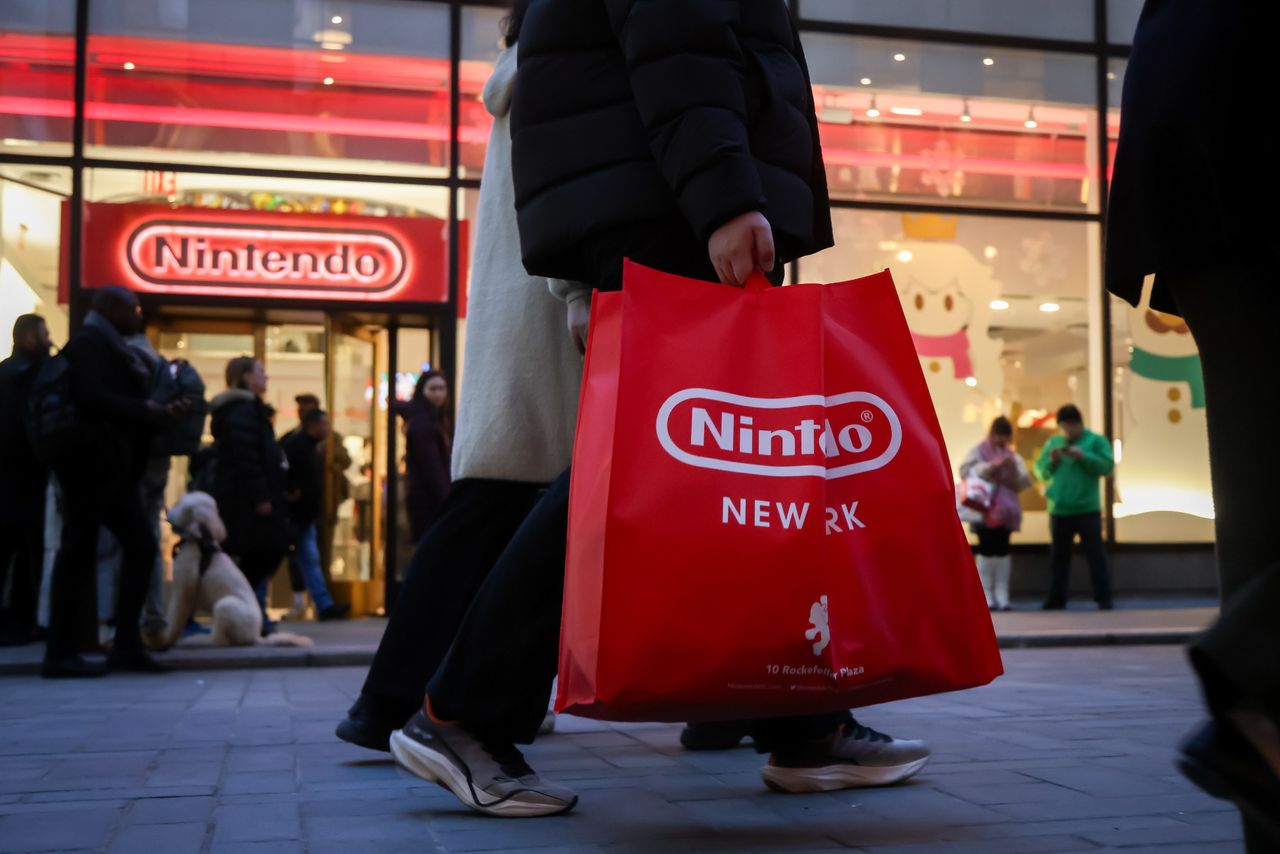
Nintendo of America has announced a "Customer Appreciation Sale" running from September 13 to 26, offering 30% off digital Switch games and bundles, plus discounts on select physical games, DLC, accessories, amiibo, and apparel through the Nintendo eShop, Nintendo Store, and participating retailers. In its announcement, Nintendo said the sale was "made possible in part by tariff-related refunds" and that while the company "absorbed most tariff-related costs," the refunds helped fund the promotion.
The sale follows a turbulent period in which Nintendo raised the price of the Switch 2 by $50 to $499 in May, citing tariffs imposed under the Trump administration alongside component shortages, with similar hikes in Europe and Japan. Nintendo had also delayed U.S. pre-orders for the console after tariffs were announced, though the system still launched on time. In March, Nintendo of America sued the U.S. government in the Court of International Trade seeking refunds, joining Costco, FedEx, Revlon, and more than 1,000 other companies.
According to Tom's Hardware, the Supreme Court ruled that large swaths of the tariffs were unlawful, with more than $166 billion owed back to American businesses, and by the end of July the government had paid out $100 billion in refunds. Wccftech dates the ruling to February 20, 2026, describing a 6-3 Supreme Court decision in Learning Resources, Inc. v. Trump that found the executive branch lacked authority to impose the tariffs. Nintendo's own disclosed tariff refund was about $300 million, reported in a 2026 earnings document per Tom's Hardware. Wccftech adds that Sony has recovered roughly $356 million of an expected $508 million total.
Nintendo of America is facing a proposed class-action lawsuit from customers who argue the company could be made whole twice — once through raised prices and again through the government refunds. Sony faces a similar suit. Nintendo has moved to dismiss its case, arguing consumers have no legal standing to claim refunds that went to the importer of record rather than individual buyers. According to Wccftech, Sony has made a similar argument in California federal court, saying paying fair market price for a voluntarily purchased product is not a legally recognized injury, while Microsoft has made a nearly identical case in a Washington state lawsuit and is also pushing for arbitration.
Critics cited by Wccftech have labeled the sale a "faux sale," arguing that Nintendo is using refunded tariff money as a marketing opportunity rather than returning funds to the customers who paid the higher, tariff-inflated prices. The criticism centers on the fact that the promotion still requires customers to spend money to benefit, even as Nintendo's legal team argues in court that the company owes affected customers nothing. Tom's Hardware notes that most companies appear to be keeping their tariff refunds rather than passing them back to consumers, though it points to Panic, maker of the Playdate handheld, as an exception that refunded tariffs to customers in August.
Wccftech suggests that while Sony and Microsoft have not yet run similar appreciation sales, they are pursuing the same legal position as Nintendo and could adopt comparable promotions depending on how public reaction to Nintendo's sale unfolds. Unless a court rules against the companies in the pending class actions, all three currently maintain that they are not legally required to share government tariff refunds with the consumers who paid the higher prices.
Correction — 2026-09-11: We removed an incorrect claim that the reported February ruling date conflicted with refund payments by July. Those dates are compatible.
Correction — 2026-09-11: The sale was announced, with a scheduled September 13 start; it had not begun when this article was published.