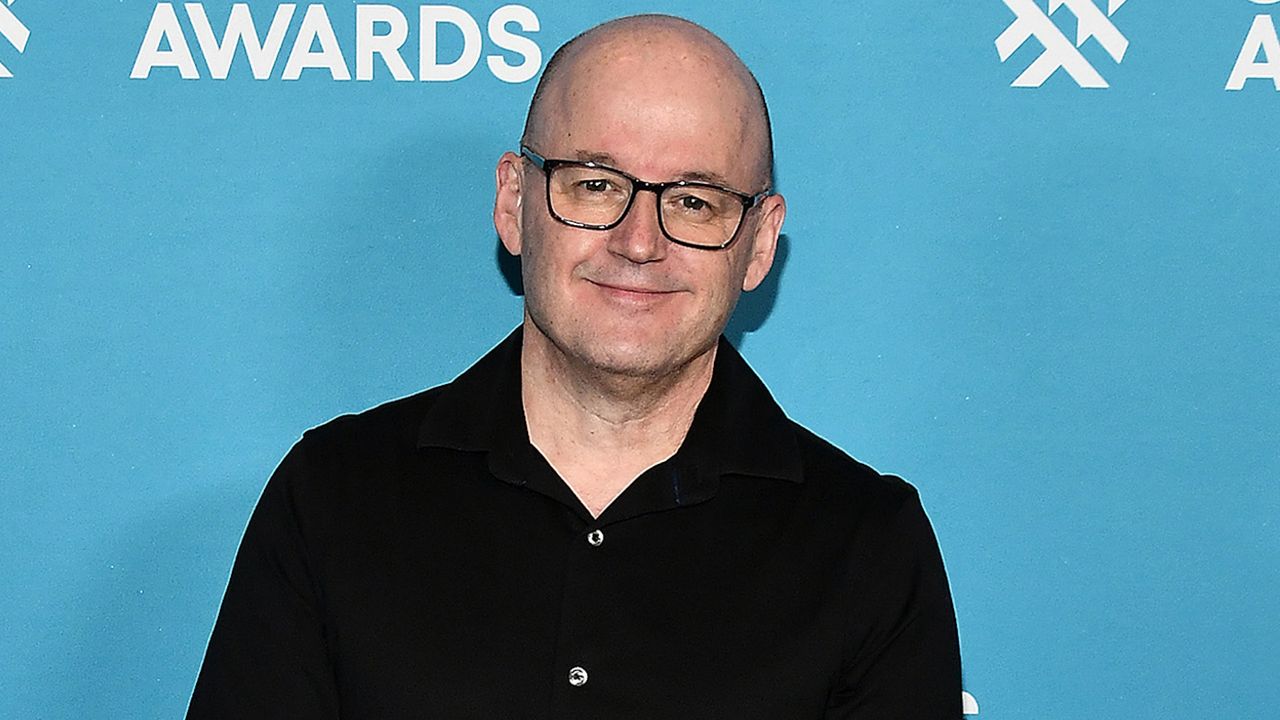
Saber Interactive chief creative officer Tim Willits told GamesIndustry.biz at Gamescom that the company has "no real development in North America anymore," with only publishing operations remaining in the region. Saber is still headquartered in Florida, but according to GamesIndustry.biz, its development work is spread across subsidiaries in Serbia, Armenia, Georgia, Spain, Portugal, Sweden, Argentina and Australia.
Willits framed the shift as a matter of cost rather than talent, saying, "You don't need to be in California to be a brilliant programmer or artist or animator." He argued that large North American studios often run burn rates of "$2 million+ in burn rate a month," and contrasted that with Saber's SnowRunner, which he said cost $6 million to make despite earning hundreds of millions of dollars. He said that figure represents roughly three months of a big studio's development costs in California, and estimated that a five-year, 60-month project at that burn rate would total $120 million in salaries alone.
Willits also said Warhammer 40,000: Space Marine 2's development cost was a third of what he described as a major North American game released in recent months, while Space Marine 2 sold 11 million more copies than that unnamed title. He did not identify the game. PC Gamer speculated, without confirmation, that Willits could have been referring to Halo: Campaign Evolved or Marathon, noting that both have had reported sales figures around one million units compared to Space Marine 2's reported 12 million, though PC Gamer stressed this was speculation and that exact budget comparisons were difficult to pin down.
Willits pointed to "overspecialization" among developers as another factor behind what he called an ongoing industry crisis, though he said he believes the crisis is not as severe as it has been portrayed. He said Saber's approach of building games for smaller, more devoted audiences allows it to take more risks than studios reliant on blockbuster-scale budgets.
GamesRadar+ noted that Saber's business strategy also includes a significant push into AI tools, which became a flashpoint when the company added an AI disclosure to a game following a public dispute involving CEO Matt Karch and a former writer who said she had been replaced by ChatGPT. Karch has said he believes a "Half-Life 2 of AI" moment will eventually change industry attitudes toward the technology.