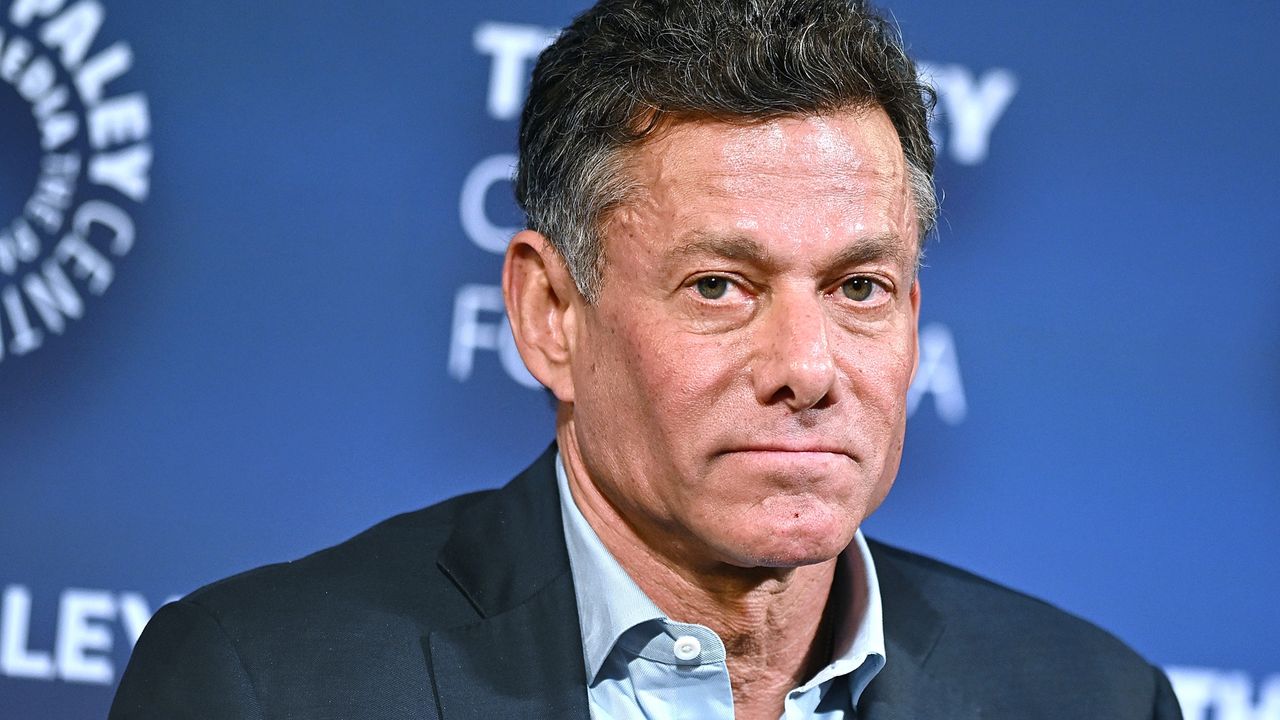
During Take-Two's latest quarterly earnings call, CEO Strauss Zelnick addressed the rising cost of gaming hardware, which he attributed in part to the proliferation of AI data centers and ongoing RAM shortages. Zelnick acknowledged that the situation is "not a good thing" for business, since Take-Two's games still require machines to run on.
Despite this, Zelnick expressed optimism that low-latency game streaming would soon reduce the industry's reliance on traditional gaming hardware. He said the "advent of streaming" is something Take-Two believes is "right around the corner," predicting that "machines that weren't game machines before will become game machines." He put a specific timeline on this prediction, stating, "I think we'll be in commercial streaming mode within three years," clarifying that by "commercial" he means achieving low latency.
Zelnick argued that broader adoption of cloud streaming could grow Take-Two's effective install base significantly—by his estimate, potentially tenfold. However, he cautioned this wouldn't translate into a tenfold revenue increase, since the company's most "avid" customers already own traditional gaming hardware. Instead, he framed streaming as an opportunity to reach broader audiences for titles with wide appeal, including those outside core gaming markets.
The prediction comes against a backdrop of growing consumer anxiety about game and media ownership. This includes the Stop Killing Games campaign and backlash following Sony's announcement ending disc production. Game creator Hideo Kojima has also voiced concerns about losing free access to movies, books, and music. Notably, Zelnick himself previously stated in 2020 that he was "highly skeptical that subscriptions will be the only way or primary way that interactive entertainment is distributed," a stance that stands in some tension with his current bullishness on streaming.
Cloud streaming services already exist across Xbox, PlayStation, and PC platforms, but they remain a niche alternative to traditional hardware-based gaming, largely due to persistent latency and stability issues. Whether the technology can scale to support increasingly demanding games remains an open question—an especially notable concern given that Take-Two's own upcoming title, GTA 6, would be among the most technically challenging games to stream in the format's current state.