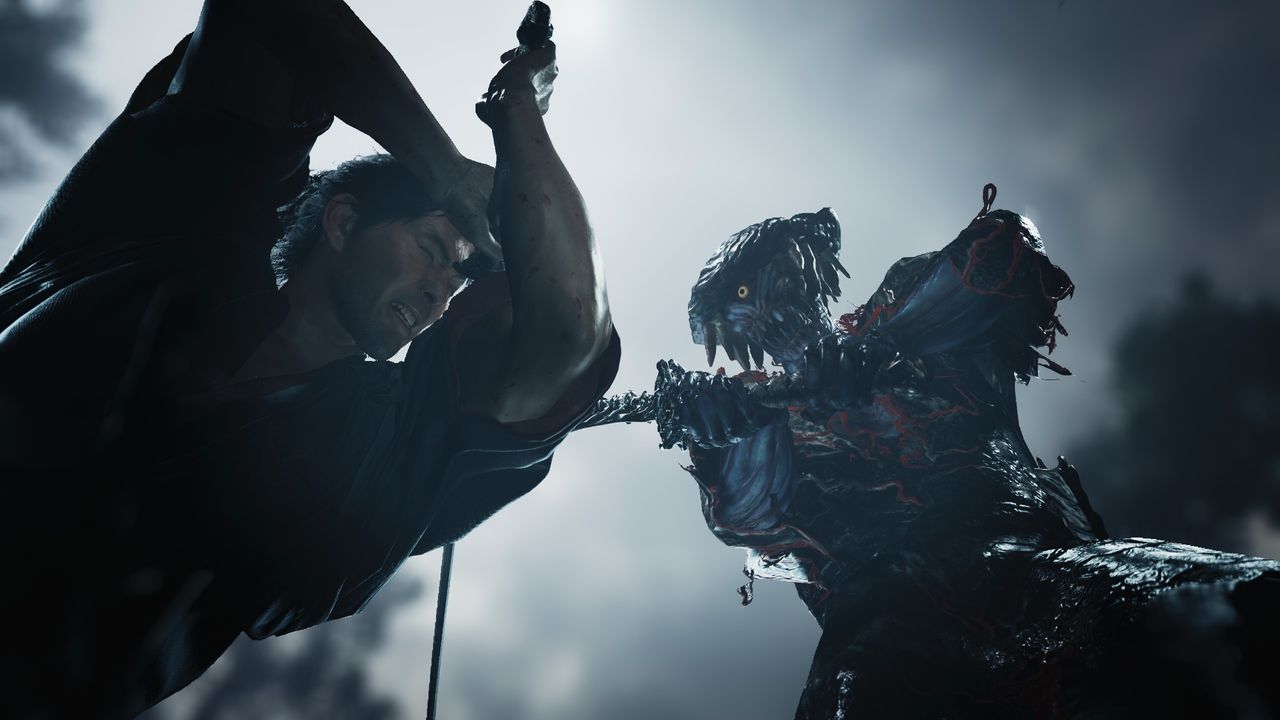
Capcom's Onimusha: Way of the Sword, released Sept. 4 for consoles and Windows PC, has drawn praise from multiple outlets for how it handles parrying, a mechanic several reviewers say has become overused across the action game genre. PC Gamer's Harvey Randall, who says he is biased toward parry-based games but acknowledges 'parry fatigue' among some players, argues Onimusha proves the formula still has room to innovate. Polygon's reviewer goes further, stating they are 'sick of parrying in video games' generally but call Onimusha's parries 'the finest counter-attacks I've ever felt in a game.'
Both outlets describe a layered defensive toolkit built around more than a single parry button. According to PC Gamer, players have access to a basic timed parry, an advanced 'deflect' that requires holding block and pressing another button, and the high-risk, high-reward 'Issin' (also spelled 'Issen') counter, which requires precise timing but can deal heavy damage and stagger. PC Gamer notes the basic parry builds a 'Blazing State' meter that increases damage and stagger, which depletes over time and encourages players to alternate between parrying and deflecting. Additional defensive tools include a timed dodge effective against unarmed attacks, countering grabs, blade barrages, and blade locks, per PC Gamer's second review.
PC Gamer compares Onimusha's rhythmic back-and-forth to Sekiro: Shadows Die Twice, describing both as 'a rhythm game in disguise,' and likens the variety of counters to the multiple arrows in a dance rhythm game. The outlet also praises Nine Sols' 'Unbounded Counter' as a favorite non-standard parry mechanic outside Onimusha, involving a hold-and-release timing window. PC Gamer notes that enemies in Onimusha mix weapon and unarmed attacks, unavoidable strikes, and randomly triggered blade locks or barrages, keeping players from settling into a single defensive rhythm.
Polygon attributes much of the parry's impact to animation and sound design rather than the mechanic itself. The outlet describes a 'metallic' clash of steel, sparks flying, and controller rumble that intensifies with precise timing, with a perfect parry slowing down time. Polygon also highlights a detail in which protagonist Musashi can parry attacks while facing away from an enemy, with dynamic animations showing him twisting to block, which the outlet says builds a sense of the character's skill and improvisation.
PC Gamer's reviews note the game has a slow start, calling the early combat introduction 'hand-holdy' and criticizing a 'glacial pace' in teaching mechanics, as well as an initially slow roll. However, the outlet says the combat 'clicks' by the game's midpoint, turning repeated boss and miniboss encounters into opportunities for players to demonstrate mastery gained over a roughly 30-hour playthrough. PC Gamer also cites a statistic that one in four action game players have experienced parry fatigue in the past five years, but encourages players to stick with Onimusha despite a slow start, calling it a 'best-in-class action game.'
Across both outlets, reviewers who identify as skeptical of or fatigued by parry mechanics ultimately single out Onimusha: Way of the Sword as an exception. PC Gamer credits the game's multiple layered counter options and risk-reward structure, while Polygon credits the sensory execution of the parry itself. Both note the mechanic sits within a broader combat system compared favorably to genre touchstones like Sekiro and its imitators, including Lies of P and Nine Sols.