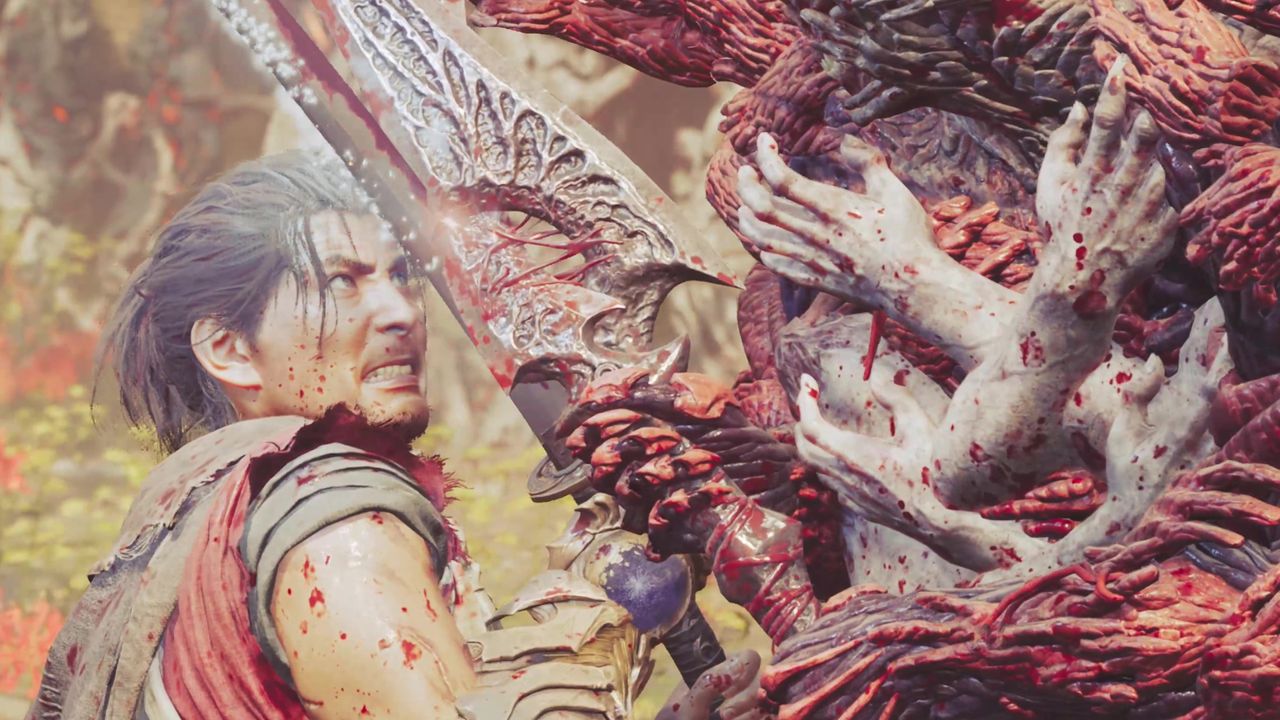
Capcom's Onimusha: Way of the Sword, releasing September 4, 2026 on PC, PS5, Xbox Series X, and Nintendo Switch 2, was shown to press in extended hands-on previews that went beyond the previously released public demo. Multiple outlets, including GamesRadar+, Rock Paper Shotgun, and Polygon, described a game built around intricate sword combat featuring parries, deflections, and clashes, alongside a first for the series: an RE Engine-powered, behind-the-back camera replacing the fixed angles of the original PS2 titles. The game stars Miyamoto Musashi, a historical swordsman depicted using the likeness of the late actor Toshiro Mifune, who Capcom reportedly spent two years securing the rights to use. Reviewers described Musashi as a confident, cheeky character caught up in a demon invasion of Kyoto led by chaos demons called Genma, following series lore in which Oni retreat and grant power through gauntlets worn by human hosts.
Previewers who initially found the public demo relatively easy reported that longer hands-on sessions delivered much tougher challenges. GamesRadar+ and Rock Paper Shotgun both singled out a multi-limbed boss called Rasho-gan, described as a trickster who manipulated Kyoto locals into sacrificing body parts, as a genuinely difficult and satisfying fight requiring mastery of parries, deflections, clashes, and counter-grabs. Rock Paper Shotgun noted Rasho-gan has two forms and attacks that include ripping up parts of the arena to throw at the player. Polygon's separate preview described an early boss named Daidara as a tough but fair two-phase fight that tested the full combat system. GamesRadar+ and Rock Paper Shotgun both said other bosses, including a paper talisman-covered enemy, offered a different kind of challenge. Reviewers noted the game includes an easier Story Mode difficulty and adjustable gameplay aids for players seeking a gentler experience.
Combat mechanics described across previews include an Issen counterattack that can trigger instant kills when timed just before an enemy strikes, a blaze meter charged by successful countering that boosts damage, and orbs that spill from enemies during combat, which can be absorbed for currency or healing. GamesRadar+ detailed how banking blue orbs unlocks special attacks with demon weapons, while yellow orbs can restore health if collected before enemies do. Rock Paper Shotgun highlighted destructible, interactive environments, such as parries that knock enemies into hazards, carts that can block arrows or be shoved into foes, and boards that can be pushed into enemies or used as shields. Polygon also noted environmental interactions, including using a bow to trigger rock-based traps and turning planks of wood into projectile shields.
Outside of boss encounters, previewers described a shift in structure once the story reaches Kyoto, which functions as a hub with open-ended missions that can be tackled in different orders. Polygon compared its scope to a compact version of Fatal Frame 2: Crimson Butterfly Remake's village, noting players can save civilians from Genma attacks to earn rewards and gather a resource called Favor to upgrade gear. GamesRadar+ and Polygon both noted that some side content felt repetitive or scripted, with GamesRadar+ citing basic fetch-quest style objectives and Polygon reporting that repeating an area triggered an identical scripted event, undercutting the illusion of dynamic storytelling. Polygon also noted a sizable skill tree, comparable in scope to God of War, that unlocks new moves and upgrades such as a more powerful parry, though only a few nodes were accessible during the preview.
IGN's source content could not be retrieved for this synthesis. PC Gamer's preview focused on the making of the game's sword-fighting animations, based on an interview with animation director Hiroshi Yugen at Capcom's Osaka headquarters. Yugen described researching real swordplay and working with sword-fight choreographers and stunt actors at Katsugekiza Motion Capture Studio, a facility used for films and dramas. Motion capture sessions using over 150 cameras were reportedly fed directly into Capcom's upgraded RE Engine so the team could review and revise fight choreography in near real time, with final approval resting with the game's director. According to Yugen, actors sometimes requested additional takes themselves if unsatisfied with a performance, even when the team was otherwise happy with it.
Polygon separately previewed the Nintendo Switch 2 version, noting it is playable but visually compromised compared to PS5, running at 30fps with a more washed-out image in handheld mode, comparing its performance to the Switch 2 port of Split Fiction. The Switch 2 version includes optional Joy-Con motion controls for swinging the sword and shooting arrows, similar to The Legend of Zelda: Skyward Sword, though Polygon found the precise blocking demands of combat made motion controls impractical, requiring a difficulty reduction to handle the Rasho-gan fight. Capcom producer Akihito Kadowaki, asked about the studio's success porting demanding titles like Way of the Sword, Resident Evil Requiem, and Pragmata to Switch 2, said he was surprised by the results himself and denied any specific technical secret. Polygon noted lingering questions about how linear levels and open-ended hub areas will balance across the full game, but multiple outlets expressed optimism that Way of the Sword could continue Capcom's strong 2026 output.