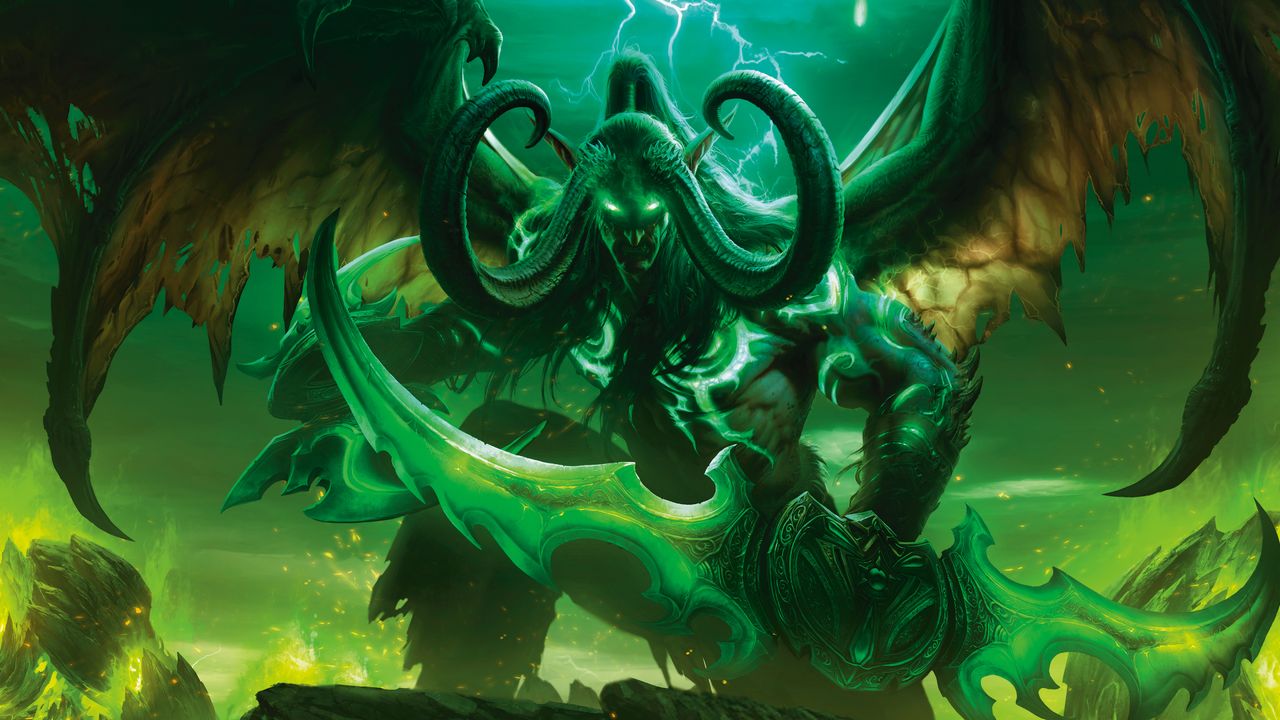
Wizards of the Coast announced Dungeons & Dragons: World of Warcraft during its keynote at Gen Con 2026, marking the first crossover under a new "Universes Beyond" label for D&D — a name borrowed from Magic: The Gathering's own line of licensed crossovers. According to GamesRadar+, the book will have an early access launch on November 3, 2026, with a full retail release following on November 17; Polygon lists the release date as November 17. The 256-page book, per Polygon, draws on content from across World of Warcraft's 22-year history, including the 2026 expansion Midnight.
The book introduces 11 new playable species, such as Pandaren, Draenei, and new elven lineages, along with six brand-new subclasses and three updated ones, letting players build Death Knights, Demon Hunters, Shadow Priests, and other iconic WoW classes for D&D's 5.5e ruleset. Polygon reports more than 60 new spells, 26 new magic items including artifacts, rules for mounts and companion creatures, and new subsystems covering professions and renown rewards tied to 23 factions. Seven dungeons based on classic WoW raids — including Onyxia's Lair, Blackfathom Deeps, Dead Mines, and Wrath of the Lich King's Azjol Nerub — feature more than 50 new monsters and 30 bosses, according to Polygon, while GamesRadar+ notes these adventures range from about two to six pages each and include maps, encounter tables, treasure, and story hooks. Notable figures like Arthas the Lich King, Jaina Proudmoore, Anduin, and Thrall get full stat blocks, and Hasbro is releasing companion miniatures including Arthas and Illidan Stormrage. An Icecrown Citadel map pack also includes a digital adventure designed to take a five-person party from level 16 to 20.
Principal game designer James Wyatt told GamesRadar+ that the goal wasn't to replicate WoW's mechanics one-to-one but to evoke the feel of playing its classes and exploring its world, while opening up story possibilities the MMO doesn't allow — such as letting a Night Elf character have an entirely original background instead of the game's fixed lore. Wyatt said class conversions weren't always straightforward; for example, Mages are built using D&D's Evoker Wizard, while Shamans surprisingly map onto the Barbarian class. The book also organizes its adventures around Azeroth's major recurring conflicts, such as the Burning Legion, Dragon Flights, and the Scourge, rather than tying dungeons to one specific era, and some dungeons include notes for adjusting monsters across different time periods. Due to space constraints, the book has no bespoke backgrounds, relying instead on those from the 2024 Player's Handbook, though Wyatt said new backgrounds would be a priority if a second book is made. Artwork mixes new illustrations with existing Blizzard-licensed art from sources like the WoW Trading Card Game and Hearthstone rather than in-game screenshots.
This isn't Dungeons & Dragons' first visit to Azeroth: Warcraft: The Roleplaying Game, later renamed World of Warcraft: The Roleplaying Game, was built on 3rd Edition D&D in 2005. D&D has also produced smaller crossovers before, including box sets based on Rick and Morty and Stranger Things and books tied to Magic: The Gathering, while other companies have built their own D&D-compatible adaptations under the Open Game License, such as Free League's The Lord of the Rings Roleplaying in 2023.
The Universes Beyond branding has been a point of controversy within the Magic: The Gathering community, where such crossovers now make up about half of all yearly releases and where MTG's head designer has said fans must adapt or "walk away" if they dislike the approach. Magic brought in $1.72 billion in revenue in fiscal year 2025, with Universes Beyond crossovers like Final Fantasy, Marvel, and Avatar: The Last Airbender contributing significantly to that success, according to Polygon. Wizards of the Coast staff said during a press conference that there is no set quota for how many Universes Beyond books D&D will produce, unlike Magic's model. GamesRadar+ notes that D&D's more insular, opt-in structure — where you have to choose to bring a setting like Azeroth into your game — should make the crossover feel less intrusive than in Magic, where different IP sets often mix in the same formats.
D&D: World of Warcraft will anchor what Wizards calls the Season of Champions in the game's new seasonal content model, and it is currently the only confirmed Universes Beyond title, according to Polygon. A gap in next summer's schedule for a "Season of Rebellion" has fueled speculation about a possible Star Wars-themed project, especially since Fantasy Flight's Star Wars Roleplaying Game was discontinued in 2020. Separately, Wizards is licensing some of D&D's classic settings to outside publishers — Kobold Press will handle the Forgotten Realms, Ghostfire Gaming will take on Ravenloft, and Visionary Production & Design will continue developing Eberron — with executive producer Greg Bilsland saying players "shouldn't have to wait decades" to revisit settings like Eberron, Ravenloft, or Dark Sun. The World of Warcraft announcement came during the same Gen Con event where Wizards revealed a Dark Sun revamp and a new D&D Icons imprint covering settings like Greyhawk and Dragonlance.