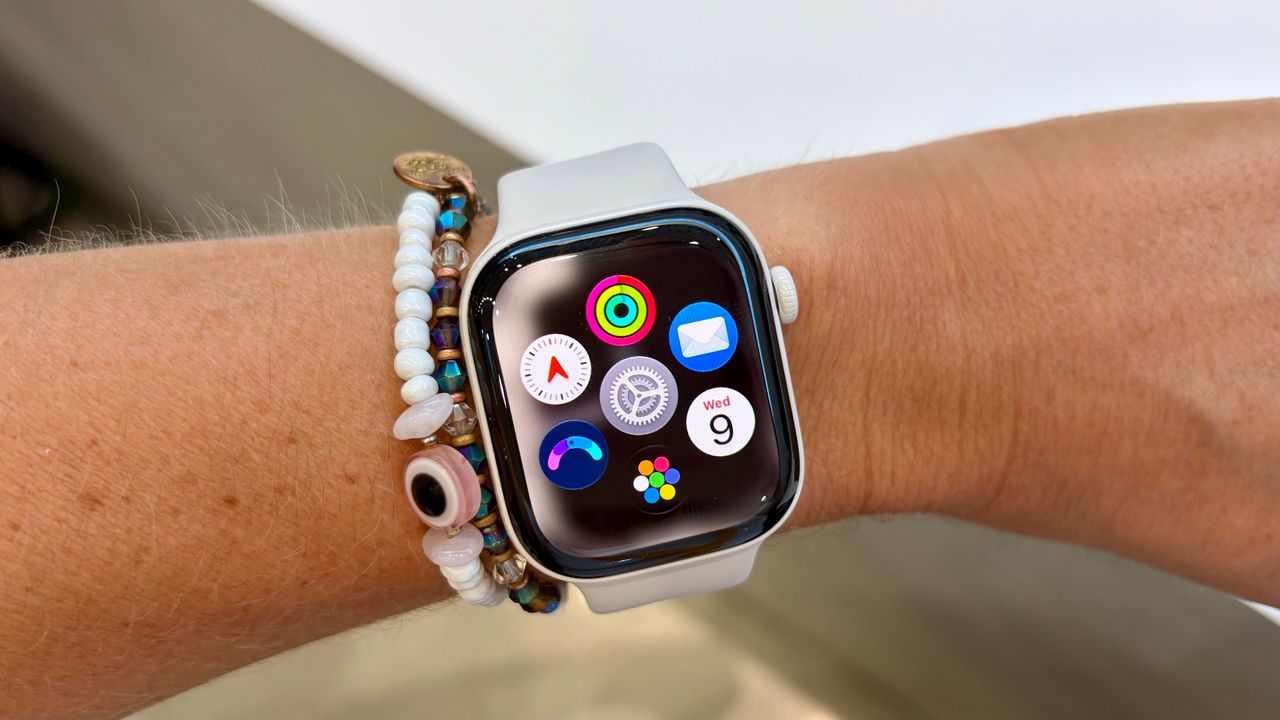
Apple announced the Apple Watch Series 12 and Apple Watch Ultra 4 at its "Surprise and Shine" event in Cupertino on September 9, alongside the iPhone 18 Pro and iPhone Duo. Both watches are available for preorder starting that day, with units arriving September 18. The Series 12 starts at $399 and the Ultra 4 at $799 — the same prices as their predecessors, the Series 11 and Ultra 3. Apple also offered trade-in savings of up to $430 for buyers upgrading from an older watch.
Both models run on a new S11 chip, which Apple calls its most powerful wearable processor, described by Wccftech as a derivative of the 2nm A20 Pro architecture. The chip powers a completely redesigned "Health Sensing System" on the back of both watches, featuring a 32-petal sensor design (up from two petals previously) with bigger, more powerful green LEDs. Apple says this makes it the most accurate heart-rate sensor it has built. Heart rate is now sampled every five seconds — 60 times more often than the Series 11 or Ultra 3. Sources differ on how often heart rate variability (HRV) is now measured: one Tom's Guide report on the Series 12 states HRV is sampled every five minutes (a 24-fold increase), while separate Tom's Guide coverage of the Ultra 4 says HRV is measured every 15 seconds, also described as a 24-fold increase.
The new sensors feed a daily Readiness score, based on recent workouts, sleep quality, training load and vitals, along with actionable AI-generated recommendations. Tom's Guide notes the score requires a week of data, including seven nights of sleep longer than four hours, and will not be available on older Apple Watch models since it relies on continuous heart-rate monitoring. A new Health Age metric, compared to Garmin's Fitness Age, will also let users see how their fitness compares with others in their age range. A redesigned Health app with Longevity and Insights tabs, offering AI-generated health summaries and personalized workout and recovery suggestions, is expected to arrive later this year rather than at launch.
Both watches ship with watchOS 27 and support for Apple's Siri AI voice assistant. New "Audio Intelligence" features include Live Rewind, which lets users double-press the digital crown to replay the previous 15 seconds of ambient sound; Siri Recap, which can listen to conversations or meetings and generate summaries; and Sound Recognition, which alerts users to sounds like doorbells, fire alarms or sirens. Tom's Guide reports that no audio is saved during these features, speakers are not identified, and data is end-to-end encrypted, though Live Rewind and Siri Recap won't be available until later this year in beta.
Design-wise, both watches look largely similar to their predecessors. The Series 12 comes in 42mm and 46mm sizes with new aluminum colors (including Dark Bronze), titanium options, and the return of ceramic cases in Pearl White and Night Blue; it also gains a tougher Ceramic Shield 2 screen coating. The Series 12 keeps a 24-hour battery life despite the added sensors, though Apple has added faster charging. The Ultra 4 keeps the same titanium design as the Ultra 3 in Black or Natural finishes, with 100 meters of water resistance versus 50 meters for the Series 12. Tom's Guide reports the Ultra 4's battery life increases from 42 to 50 hours, with a new Max Extended tracking mode enabling up to 45 hours during workouts with GPS and heart-rate tracking; Wccftech, however, describes the Ultra 4 as offering up to 45 hours of battery life overall, a discrepancy between the two outlets' reporting.
Coverage was largely positive but cautious pending full testing. Tom's Guide reviewers called the health-sensor and Readiness upgrades meaningful, particularly given no price increase, while noting the unchanged design, display and (for the Series 12) battery life as drawbacks. A separate Tom's Guide sleep-tech piece questioned whether bulky wrist-worn devices remain competitive against newer, smaller sleep trackers like rings, even with the Series 12's improvements. Another Tom's Guide article welcomed the addition of a Readiness score, noting it is a feature already common on devices like Garmin, Oura and Whoop, while cautioning that such scores are guidelines based on imperfect data and should not be followed too rigidly.